South Africans to be honoured with 2016 National Orders
28 April 2016
Notable citizens and prominent foreign nationals who have played a significant
role in building a free democratic South Africa, as well as have had a noteworthy
impact on improving the lives of South Africans, will receive National Orders today.
The ceremony takes place at the Sefako Makgatho Presidential Guest House in
Pretoria, on 28 April 2016, a day after Freedom Day. The orders are presented by
President Jacob Zuma, as the Grand Patron of the country's National Orders.
The honours include the Order of Mendi for Bravery, the Order of Ikhamanga,
the Order of the Baobab, the Order of Luthuli and the Order of the Companions of
OR Tambo.
Watch an awards ceremony:
The Order of Mendi for Bravery recognises South African citizens who
have performed acts of
bravery.
Recipients this year include:
Hermanus Gabriel Loots (aka James Stuart), Umkhonto we Sizwe (MK)
operative
As a lifelong ANC member and Umkhonto we Sizwe anti-apartheid operative,
Loots was a member of the first Lusaka delegation to meet South African business
in 1986 to begin plans to democratise the country. He was a member of Parliament
in the first democratic parliament, from 1994 to 1999. He passed away in January
2016.
Maqashu Leonard Mdingi, trade unionist and political detainee
An important proponent of the trade union activism during apartheid, Mdingi
retired from politics during the late 1990s to become a traditional tailor in Bizana,
Eastern Cape. He passed away in 2013.
Ulysses Modise, MK veteran and head of Northern Cape Province National
Intelligence Agency during apartheid
Instrumental in the formation of the Military Veteran Association in 1990s
democratic South Africa,
Modise is being recognised for his contribution to the
struggle for liberation. He died in 2007.
Peter Sello Motau, Soweto MK commander during apartheid
Motau was killed during an ambush by covert apartheid police forces in
Swaziland in 1987. The presidency is recognising his contribution to the liberation
struggle through selfless sacrifice, bravery and thirst for freedom and democracy at
the cost of his own life.
Wilson Ngcayiya aka Bogart Soze, MK veteran
He is recognised for his contribution to the fight for the liberation of South
Africa, courageously placing his life in constant danger and inspired by a solid
conviction in a democratic South Africa after apartheid.
Joseph "Mpisi" Nduli, MK operative and Robben Island prisoner
After a long career serving the ANC, Nduli was the first post-apartheid
chairman of the ANC Durban Central branch. He was assassinated in 1995. The
Presidency is honouring his
contribution to the fight for the liberation of the people
of South Africa, with a steadfast belief in the equality of all citizens.
Sam Ntuli, Civic Association activist and ANC operative
Ntuli's contribution in the field of peace-building during the violent and delicate
final years of apartheid is being honoured by the Presidency. He paid with his life
for his activism and dedication to democracy when he was assassinated in 1991.
Major General Jackie Refiloe Sedibe, ANC Women's League veteran and
former Defence Force chief director of corporate communications
Widow of the first democratic defence minister, Joe Modise, Sedibe fought for
the liberation of the South African people and selflessly sacrificed home comforts to
ensure that all South Africans lived as equals. Sedibe stills serves in the national
defence force.
Dr Sizakele Sigxashe, first post-apartheid director-general of the
National Intelligence
Agency
Sigxashe passed away in 2011 and has been awarded the National Order for his
bravery and courage of conviction. He left his home and loved ones for distant lands
to fight for democracy.
Major General Peter Lesego Tshikare, MK operative, post-apartheid
military intelligence representative from 1994 until retirement in 1998
Tshikare died in 2008.
The Order of Ikhamanga recognises South African citizens who have
excelled in the fields of arts, culture, literature, music, journalism and sport.
Recipients this year include:
Laurika Rauch, Afrikaans singer/songwriter
For more than 40 years, Rauch and her music have made outstanding
contributions to raising awareness of the country's political injustices. She has and
continues to use her artistic talents to highlight injustices and promote humanity.
Thomas Hasani Chauke, Xitsonga singer/songwriter
Chauke has been responsible, for more than 40 years, for the development and
promotion of Xitsonga traditional music in the country and on the continent. His
prolific songwriting and performances have brought Xitsonga music and culture to a
wider audiences.
Sylvia "Magogo" Glasser, cultural activist and dance instructor
Glasser opened the first non-racial dance studio in 1978 and against all odds
and the apartheid government, enjoyed strong support from all South African
communities for her skills in building up young people and passionate efforts to
create social cohesion.
Marguerite Poland, author
Poland has been at the forefront of the promotion of indigenous languages,
particularly in children's literature, as well as anthropological studies. Her works
are taught widely in South African schools.
Benedict Wallet Vilakazi, isiZulu author and poet
Vilakazi was the first black South African to receive a PhD in literature, in
1935. He published the first book of isiZulu poetry shortly thereafter. The world-
famous street in Soweto, on which both Nelson Mandela and Desmond Tutu lived, is
named in his honour. Vilakazi died in 1947.
Professor Rosina Mamokgethi Phakeng, mathematician and
educator
In 2002, Phakeng became the first black female South African to obtain a PhD
in mathematics education. She is currently the vice
principal: research and
development at Unisa. She is recognised for her contributions to science education
and world-renowned research work.
The Order of the Baobab recognises South African citizens who have
contributed to community service, business and economy, science, medicine and
technological innovation.
Recipients this year include:
Professor Helen Rees, scientist and HIV/Aids activist
As founder and director of the Wits University Reproductive Health and HIV
Institute, Rees's groundbreaking research has helped to turn the tide on HIV/Aids in
South Africa. Rees is a graduate of Harvard and Cambridge universities and is using
her work in South Africa to beat the disease across the world. She has been
recognised for her tireless efforts in educating and assisting local communities
affected
by the disease.
Marina Nompinti Maponya, businesswoman and gender activist
As a cousin of Nelson Mandela and the wife of eminent Soweto businessman
Richard Maponya, Maponya played a vital role in developing and teaching gender
equality in society and business during the 1980s. She is also recognised for her
entrepreneurial success and contributions to society during apartheid. She died in
1992.
The Order of Luthuli recognises South African citizens who have
contributed to the struggle for democracy, nation-building, building democracy and
human rights, justice and peace as well as for the resolution of conflict.
Recipients this year include:
Suliman "Babla" Saloojee, early political activist
A legal clerk and community activist, Saloojee was a member of the Picasso
Club civil
disobedience collective made up of politically active South African Indians
opposed to apartheid. It included future ANC stalwart Ahmed Kathrada. Saloojee
was arrested in 1964. He became the fourth person to die in detention.
Winnie Madikizela-Mandela, political activist, parliamentarian and
struggle heroine
Recognised for her lifelong contribution to the fight for the liberation of the
people of South Africa, Madikizela-Mandela bravely withstood constant harassment
by the apartheid police and challenged their brutality at every turn. She has become
a symbol of the anti-apartheid struggle and of the bravery and determination of the
oppressed to gain their freedom, against all odds.
Brian Francis Bishop, civil rights activist and progressive politician during
the 1980s
Bishop was killed in a car
accident in 1985, along with Molly Blackburn, one of
South Africa's most prominent white campaigners against apartheid.
Msizi Harrison Dube, KwaZulu-Natal community leader and anti-apartheid
activist
Dube is recognised for his excellent contribution to the struggle for liberation
and his persistent pursuit of justice and better living conditions for his community
and the people of South Africa in general. Dube was murdered during protest action
in 1983.
Rev Dr Simon Gqubule, former United Democratic Front member, cleric,
academic and community leader
Gqubule still serves the Nelson Mandela metropolitan area as a youth councillor
and community leader striving for the improvement of society.
Mac Maharaj, ANC stalwart, post-apartheid government minister and
former spokesman for the Presidency
Maharaj is recognised for his courage through the struggle years and his
activism against the despotism of the oppressive
apartheid government, as well as
for playing an integral role in the first democratic government.
Mary Thipe, KwaZulu-Natal activist and former vice-chairperson of the
ANC Women's League
Thipe was involved in the Cato Manor Beer Hall March in 1960. She is
posthumously recognised for her contribution to the liberation struggle and the fight
for social justice.
Amy Rietstein Thornton, activist and founder member of the Modern
Youth Society during apartheid, as well as a member of the South African
Communist Party and the ANCJohn Zikhali, Cosatu trade unionist and former president of the Southern
African Clothing and Textile Workers' Union in the 1990s
Zikhali is recognised for his contributions to challenging unjust labour laws
through union development and galvanising workers. Zikhali
died in a car accident
in 2006.
Cleopas Madoda Nsibande, defendant in the 1956 Treason Trial, founder
member of the South African Congress of Trade Unions and trade unionist
Nsibande was a steadfast fighter for workers' rights during and after apartheid.
He died in 2008.
The Order of Mapungubwe recognises South African citizens for
achievements that have had an international impact and have served the interests
of the republic.
There is one recipient this year:
Zwelakhe Sisulu, journalist, editor and first post-apartheid head of the
SABC
Son of ANC stalwarts Walter and Albertina Sisulu, Sisulu is recognised for
fighting for the rights of journalists and the freedom of speech. In 1986, he founded
the New Nation newspaper, one of the few independent newspapers in
apartheid South Africa. It was responsible for exposing the cruelties of apartheid
and encouraging unity among people of different
political persuasions to fight for
liberation. Following a later career as an executive in various media businesses,
Sisulu died in 2012.
The Order of the Companions of OR Tambo recognises eminent foreign
nationals for friendship shown to South Africa. It is an order of peace and co-
operation and is an active expression of solidarity and support.
Recipients this year include:
Noureddine Djoudi, Algerian career diplomat and former ambassador to
South Africa
The Presidency is honouring Djoudi's steadfast support of the South African
liberation movement during apartheid and his solidarity with stalwarts of the
liberation struggle for the realisation of democracy.
Maria Kint, Dutch arts and culture manager
Recognised for her upliftment of arts and culture during and after apartheid,
Kint was a founder member of the Arts & Culture Task Group in 1993. It was
responsible for incubating the thriving art, dance, drama and other cultural facets of
a nation and all its people in transition. She ultimately made South Africa her home,
and is recognised her courage to challenge policies that violated human rights.
President Michelle Bachelet Jeria, Chilean president
A lifelong human rights activist, Jeria was an outspoken critic of Chile's
Pinochet government, an act that led to her detention and exile by the oppressive
regime. After the fall of Pinochet, Jeria entered national politics and used her
powers to change her country's policies on gender rights and fair trade. Jeria was
the first director of the UN'S Entity for Gender Equality and the Empowerment of
Women. She has been a good friend to South Africa, both as a staunch anti-
apartheid activist and later as a political ally in global politics.
Source: South African Government News Agency
National Orders are the highest awards that South Africa bestows on its citizens and eminent foreign nationals. The Order of the Baobab recognises South African citizens who have contributed to community service, business and economy, science, medicine and technological innovation. (Image: Media Club South Africa)
What's that image on your R5 coin? What does !ke e: /xarra //ke mean? (Whose language is that?) ...
SA's National Anthem - Pulling together two anthems, five languages - and over 44 million people. South Africans, take ownership of your song! SA's National Orders - Reflecting the inclusiveness and diversity of the new SA, our peoples and our place in the African continent. Mapping new views of Africa
The Parliamentary Millennium Project contrasts Western, Eastern and African forms of mapping to shed new light on 'the dark continent'. Humankind's cradle - The world's richest hominid site, home to 40% of all human ancestor fossils. A short history of South Africa
Take a brief tour through our dramatic history: from the earliest inhabitants through colonisation to the discovery of gold and the war that followed; from the evolution of black resistance through three decades of crisis to the eventual death of apartheid.





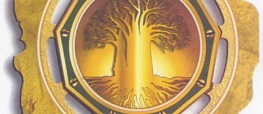 National Orders are the highest awards that South Africa bestows on its citizens and eminent foreign nationals. The Order of the Baobab recognises South African citizens who have contributed to community service, business and economy, science, medicine and technological innovation. (Image: Media Club South Africa)


 SA's National Anthem - Pulling together two anthems, five languages - and over 44 million people. South Africans, take ownership of your song!
 SA's National Orders - Reflecting the inclusiveness and diversity of the new SA, our peoples and our place in the African continent.
  Mapping new views of Africa
The Parliamentary Millennium Project contrasts Western, Eastern and African forms of mapping to shed new light on 'the dark continent'.
Mapping new views of Africa
The Parliamentary Millennium Project contrasts Western, Eastern and African forms of mapping to shed new light on 'the dark continent'.  Humankind's cradle - The world's richest hominid site, home to 40% of all human ancestor fossils.